
The ranges / Wastewater
For water
For effluent
Pumping solids-laden water, wastewater and stormwater
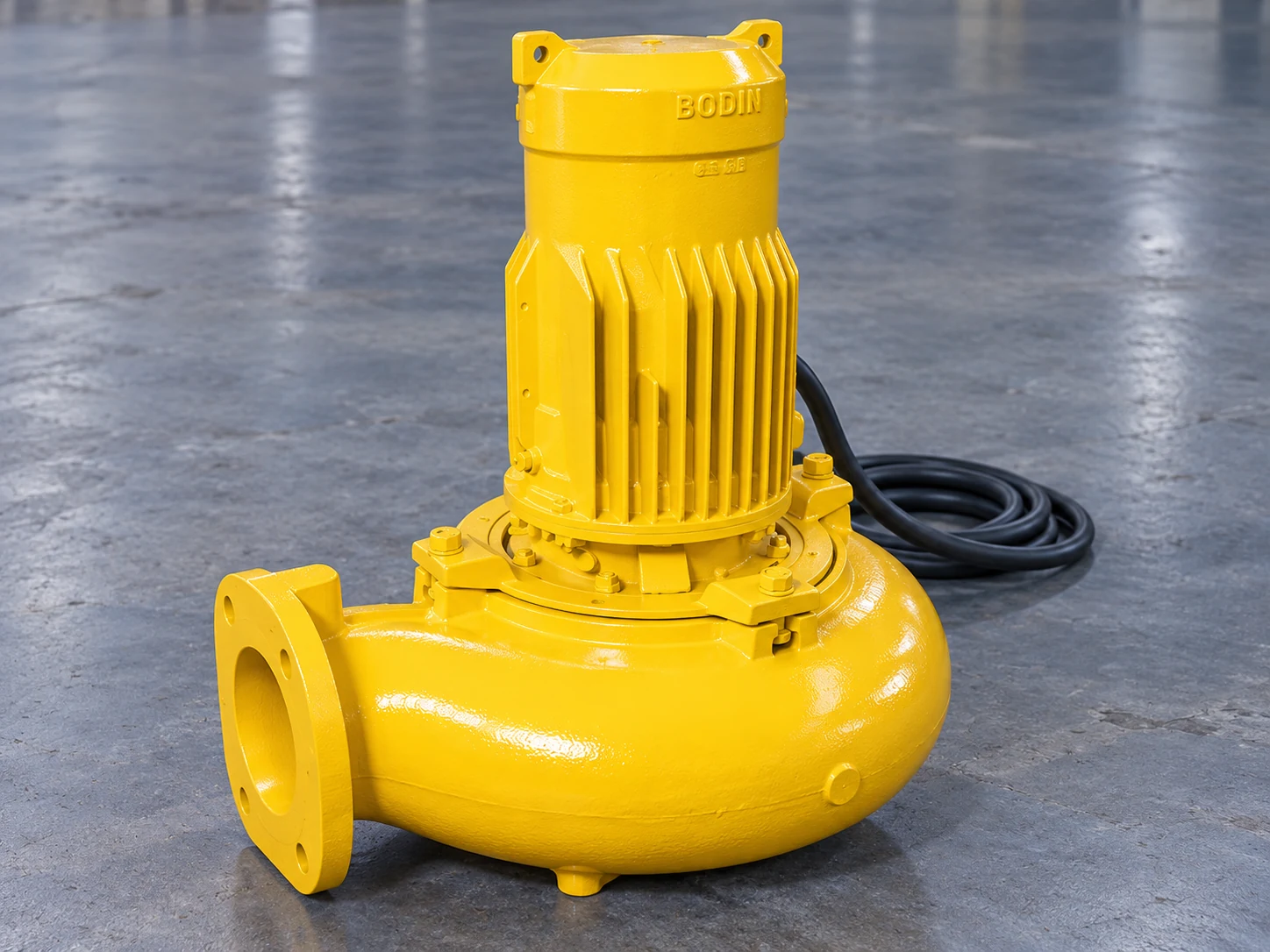
The effluent
For every type of water
the right impeller
Wastewater, stormwater or solids-laden water: the effluent determines the pump impeller. The right impeller ensures good efficiency and prevents clogging.
01
Channel impeller
Stormwater and lightly contaminated water
High hydraulic efficiency at substantial flow rates, with enough free passage for small particles.
02
Vortex impeller
Domestic wastewater and solids-laden water
Solids, sand and fibres: the impeller is recessed within the casing, allowing solids to pass without touching it. This limits clogging and wear.
03
Grinder impeller
Fibrous waste, wipes and small-diameter discharge pipes
A cutting system shreds solids before discharge. It allows small-diameter pipework and pumping over long distances.
The configurations
Different ways
to install a pump
01
Submersible
With or without an automatic coupling pedestal, for pumping and transferring water and effluent.
02
Vertical lineshaft
A vertical configuration to assess against the constraints of the structure and wastewater networks.
03
Horizontal & dry-pit
Other layouts to meet transfer requirements and installation conditions.
04
Prefabricated stations
Fully equipped units incorporating one or more pumps, to be specified with our team.
Also available as complete pumping stations, in partnership with Technirel.
Materials
The right material
in the right place
The materials and configuration are selected according to the liquid, operating conditions and installation constraints. Cast iron and stainless steel each have a role.
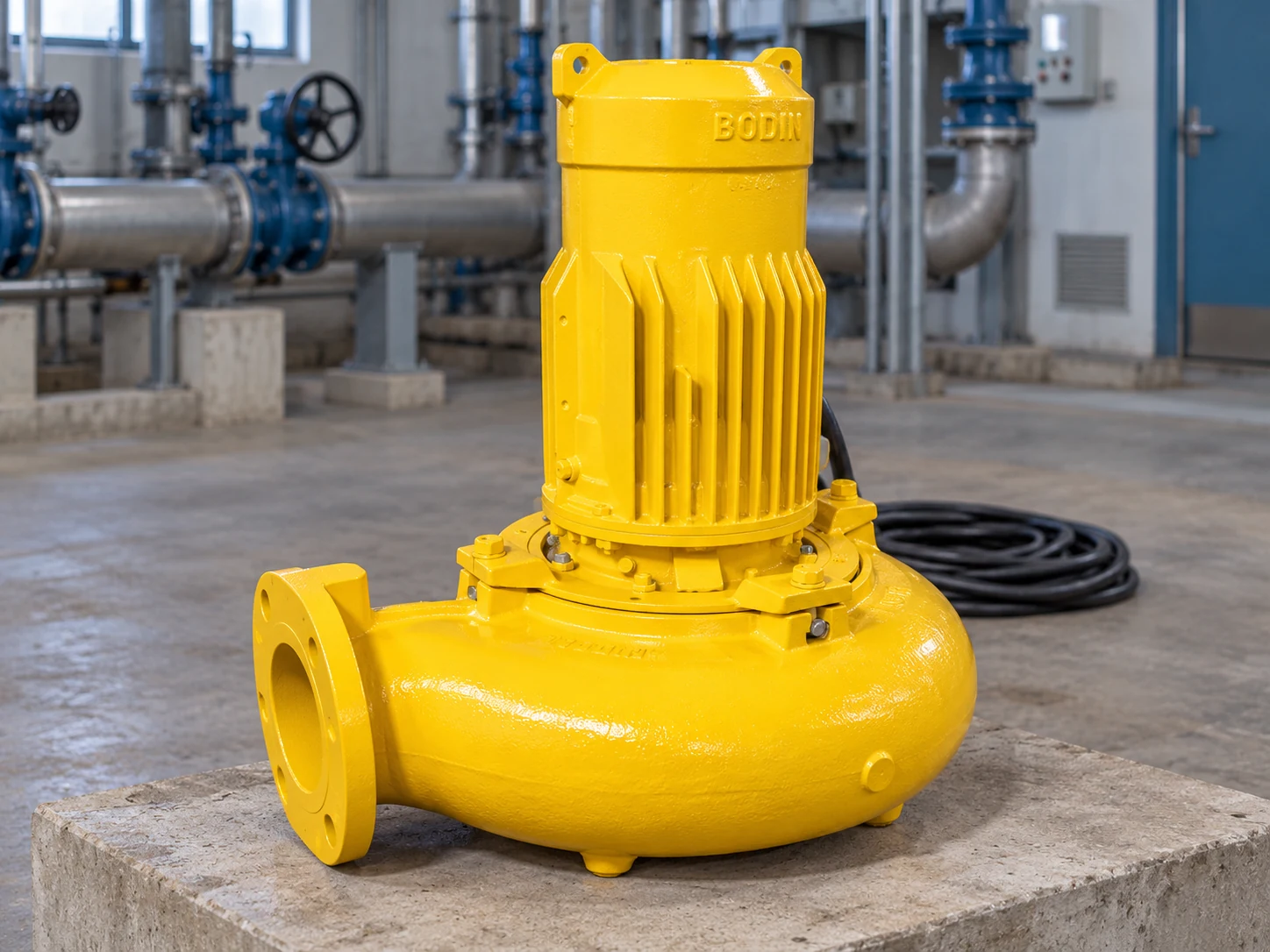
01 / Cast iron
Robust by nature
A longstanding BODIN material, cast iron withstands impacts, abrasion and continuous operation. It is used in our wastewater pumps, such as the VFI, for wastewater, stormwater and solids-laden water.
02 / Stainless steel
Suited to the product
316L stainless steel resists corrosion and is easy to clean. It is used in our industrial and wine pumps, such as the FP 20, in contact with food products, wines and cosmetics.
How we choose
Material selection is based on four questions:
- The liquid: is it corrosive, abrasive, solids-laden or a food product?
- Temperature and cleaning: what temperatures and cleaning products are involved?
- Use: continuous or intermittent operation, fixed or mobile pump?
- Environment: submerged, in a dry pit, in a cellar or in a workshop?
Product details
Construction
worth a closer look
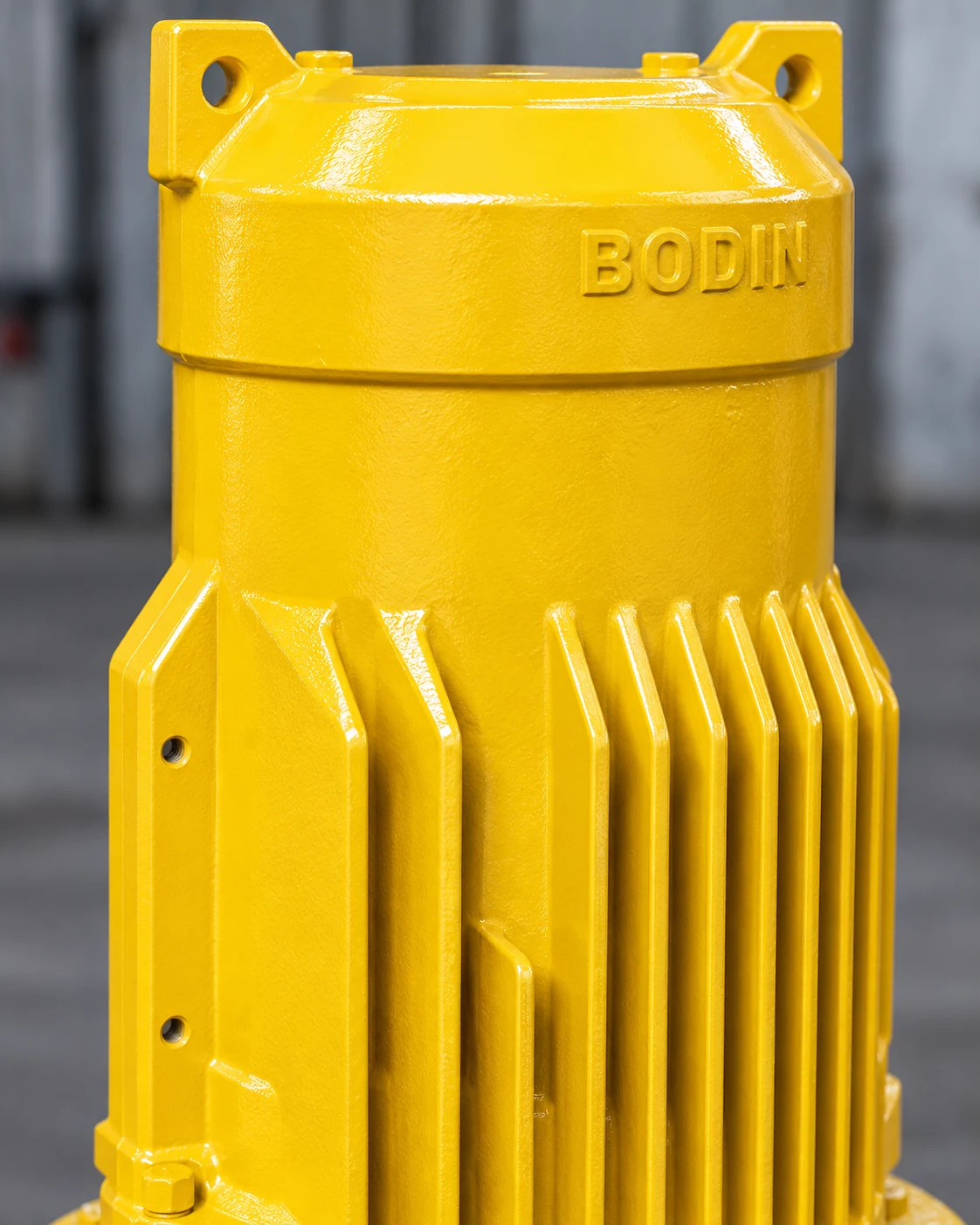
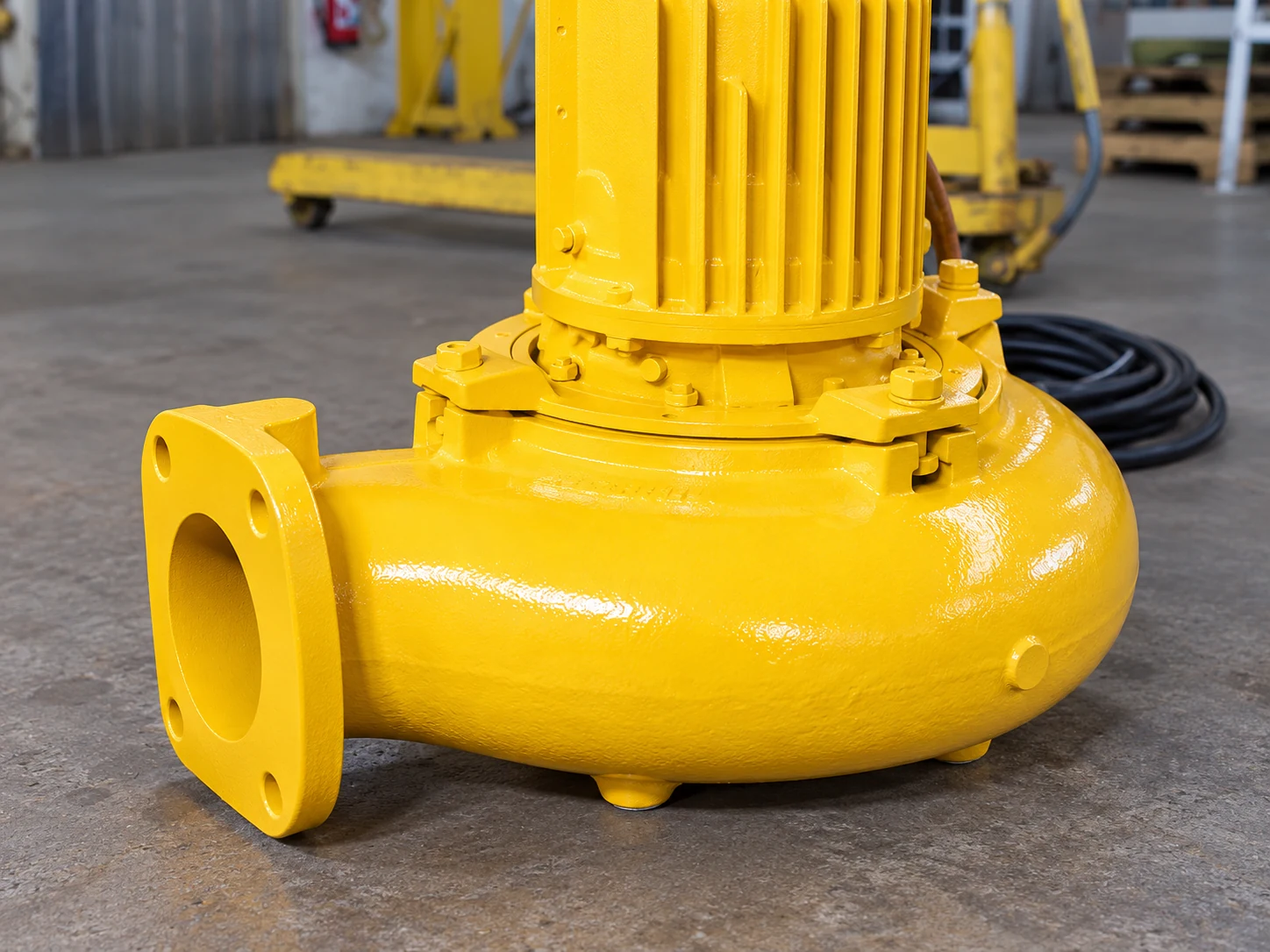
From start to finish, in Bléré
A pump designed,
made and assembled here
Rotate this pump: every component you see has been designed and made in our Bléré workshops. From the drawing to final assembly, we manage every stage.
- 01 — Design Our design office develops each pump around real operating requirements.
- 02 — Moulds and casting Our own moulds shape the cast-iron casing and impeller.
- 03 — Machining The cast components are machined on our CNC equipment.
- 04 — Assembly The motor, impeller and casing are assembled in our workshop.
- 05 — Inspection Every pump is checked before leaving Bléré.
One location, from the raw casting to the delivered pump: this enables us to ensure quality, supply spare parts and adapt our pumps to each installation.
Planning your project
The right pump starts
with the right questions
To size a lifting pump, we start with three elements: what it will pump, the flow to be discharged and the installation that will house it. The number of connected population equivalents, a station drawing or an existing pump reference is enough to get started.
01 / The effluent
What the pump handles
Wastewater, stormwater or solids-laden water: fibres, solids and sand determine the hydraulic principle (vortex, channel or grinder) and the required free passage.
02 / Flow rate
What the pump must deliver
The number of connected population equivalents (PE) helps estimate the peak discharge flow. Together with the total dynamic head (static head and pipework losses), it determines the pump’s operating point.
03 / The installation
Where the pump operates
Pumping station or dry pit, automatic coupling base, usable wet-well volume, starts per hour, power supply and maintenance access: the installation also guides pump selection.
Useful information
Find out more
Which configurations are available for wastewater?
Submersible, vertical lineshaft or horizontal pumps, installed submerged or in a dry pit. The configuration depends on the effluent, discharge flow and installation. For a complete pumping station, including the pump, we work with Technirel.
Which materials are available?
Cast iron for wastewater pumps, 316L stainless steel for industrial and wine pumps. We select the material according to the liquid, temperature, cleaning and pump environment.
What information is needed to size a wastewater pump?
The connected population equivalents, effluent, discharge head and pipework length. A station drawing or the existing pump reference also helps.
Which impeller should be selected for each type of water?
A channel impeller for stormwater and lightly contaminated water, a vortex impeller for solids-laden wastewater, and a grinder impeller for effluent containing fibrous waste and wipes or for small-diameter discharge pipes.
A liquid, a need, a project
Let’s talk about what you need to keep flowing
Wastewater or industry: let’s start with your application.